
Journal · Category
Microcement Guides
Guides to Microcement in Toronto: cost, applying it over tile, bathrooms and showers, floors and stairs, curing time and cleaning.
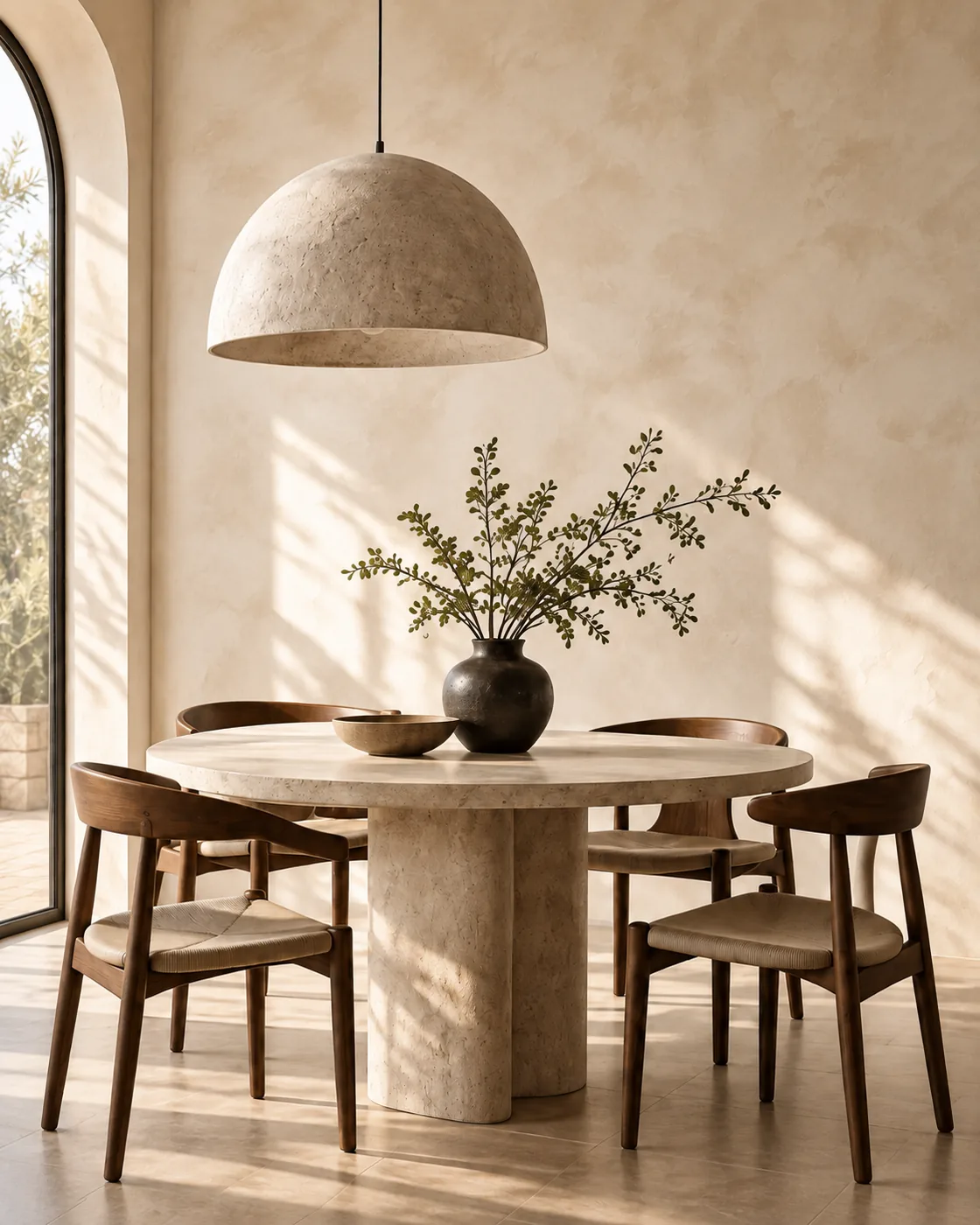
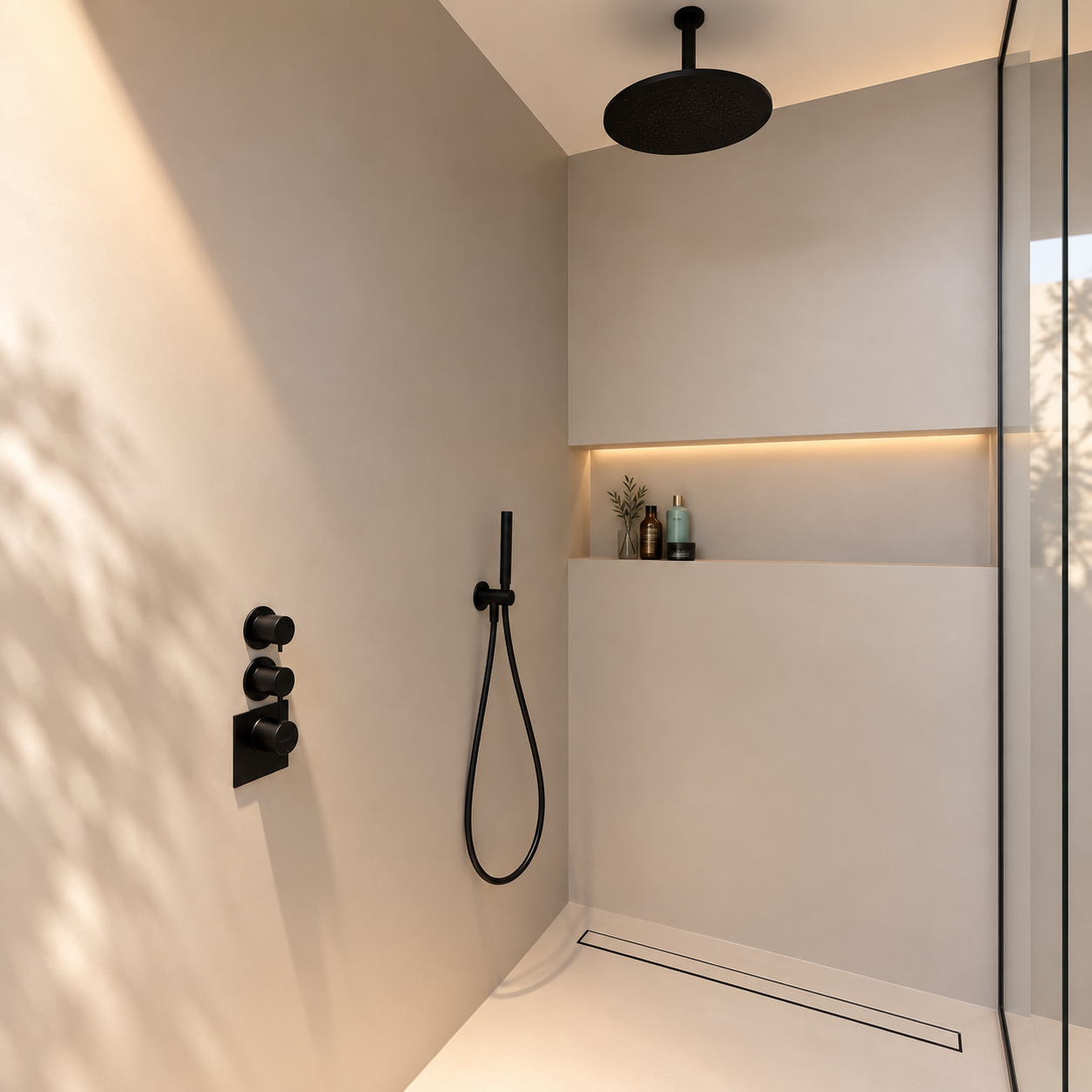
Is Microcement Waterproof for Toronto Shower Walls?
Sealed Microcement resists water, but it is not a waterproofing layer on its own. How a shower system is built so Microcement works in Toronto bathrooms.

Can Microcement Go Over Existing Bathroom Tiles? A Toronto Guide
Microcement can go over sound, well-bonded tile, which saves demolition. How to check your tiles and what the preparation involves.
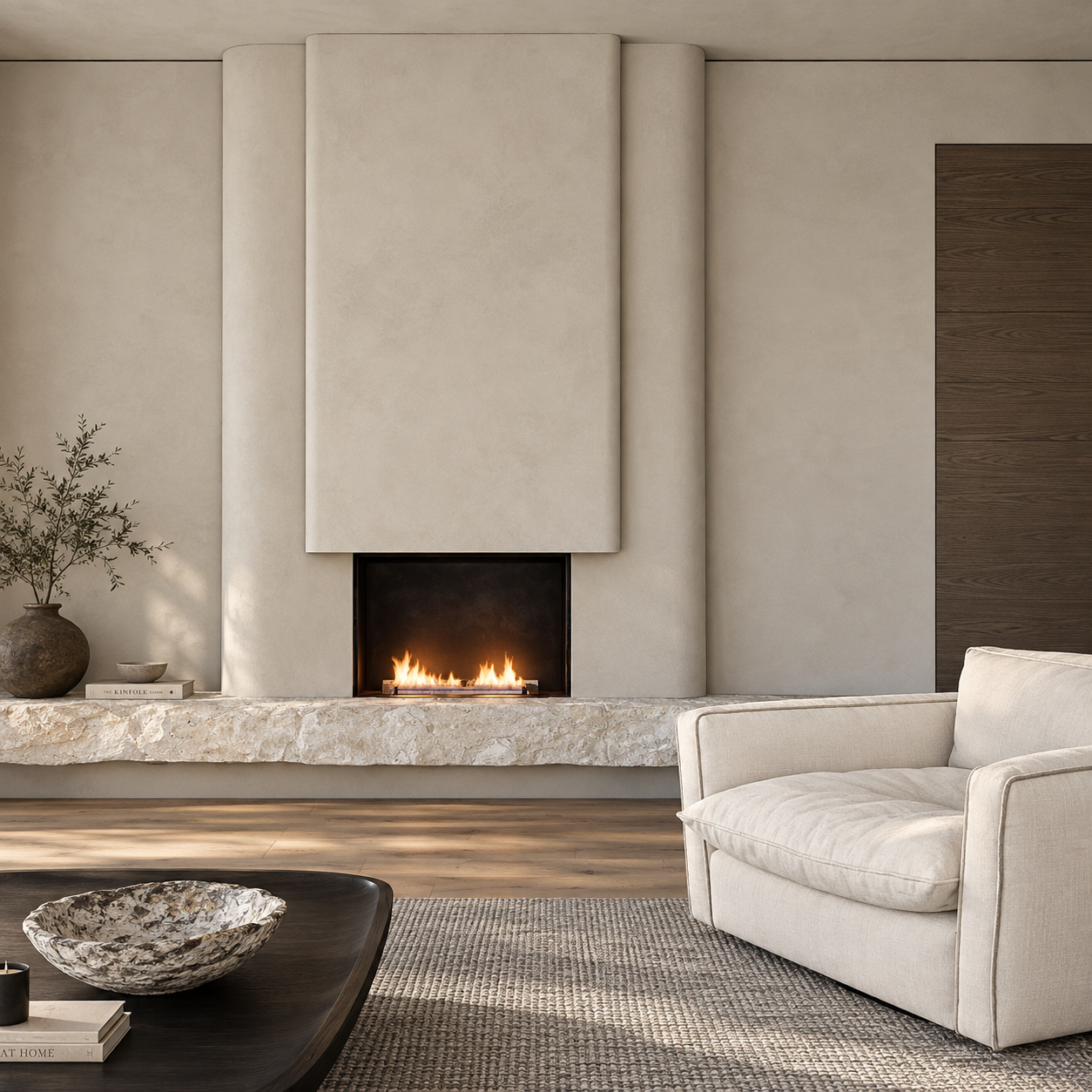
Microcement vs. Tile: Which Is Better for a Modern Toronto Bathroom?
Microcement gives a continuous, grout-free bathroom; tile is harder and cheaper to replace in sections. A side-by-side comparison to help you decide.
Can Microcement Be Used in Bathrooms and Showers? Moisture Facts
Microcement is one of the best finishes for bathrooms and showers when it is built over a membrane and sealed. What goes into a lasting wet-area system.
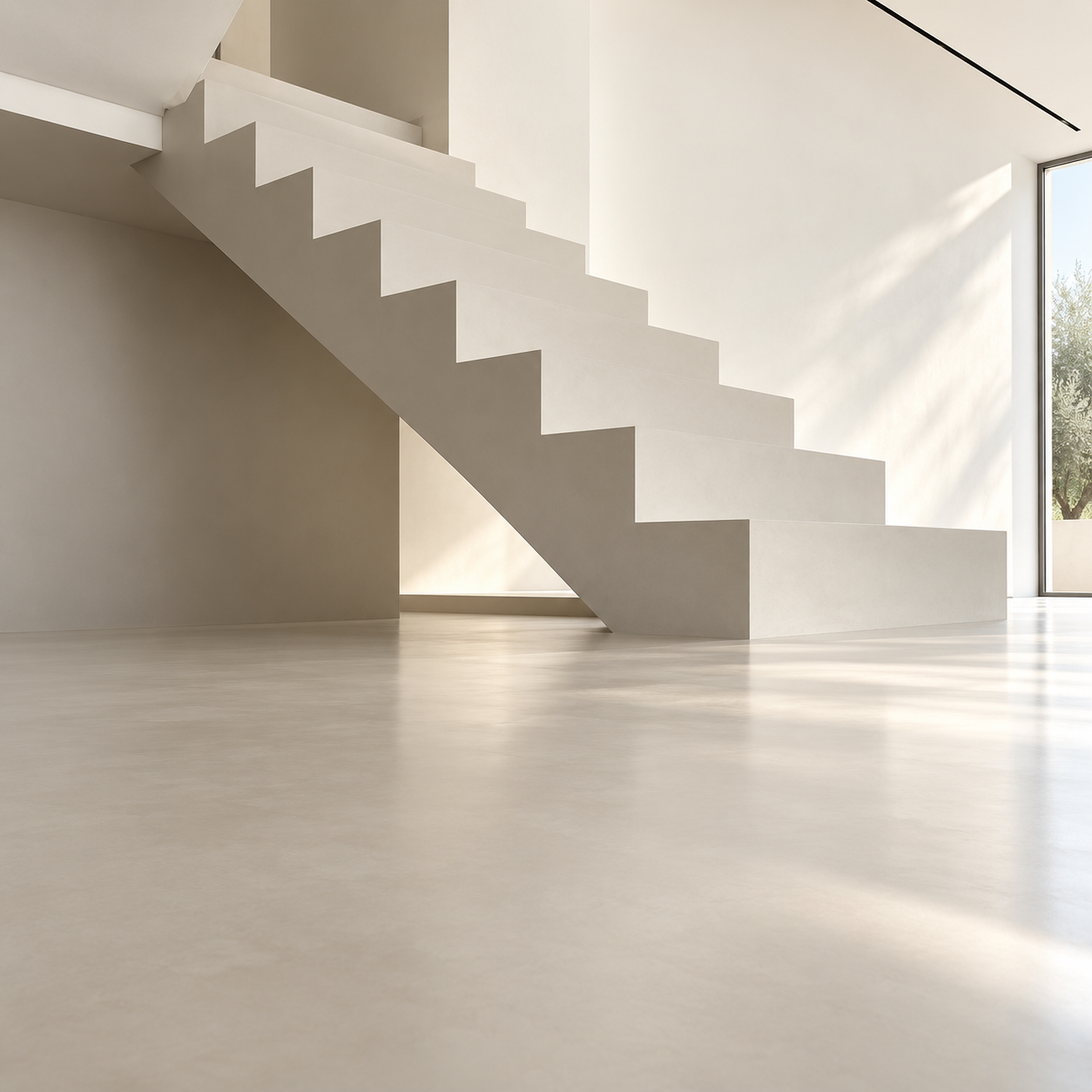
How Long Does Microcement Last? Durability in Toronto Homes
Installed and maintained well, Microcement lasts many years on floors and walls. What affects its lifespan, and the upkeep that keeps it looking good.
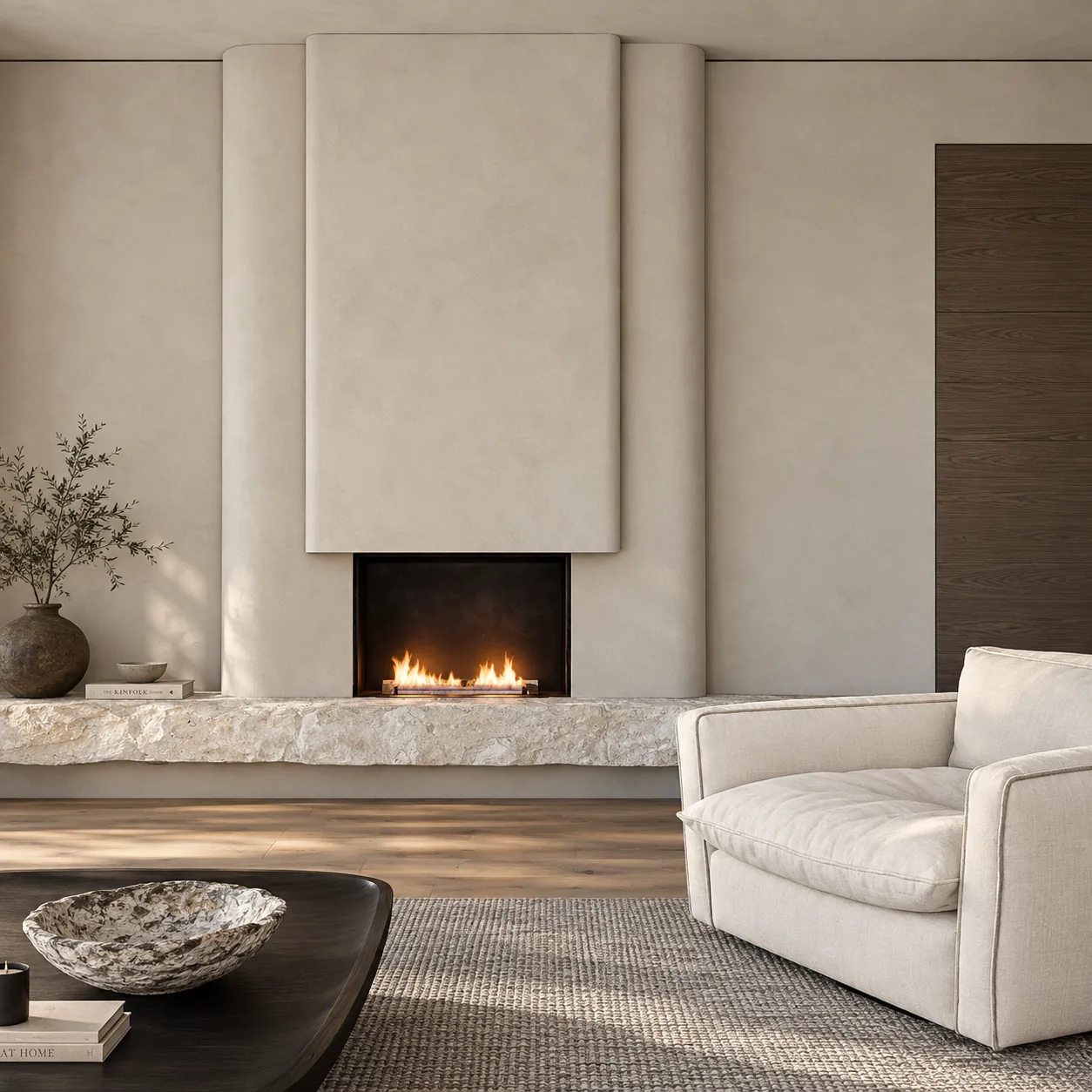
Is Microcement Safe for Indoor Air Quality?
Once cured and sealed, Microcement gives off very little. The products and sealers used decide its VOC level. What to check before you choose.
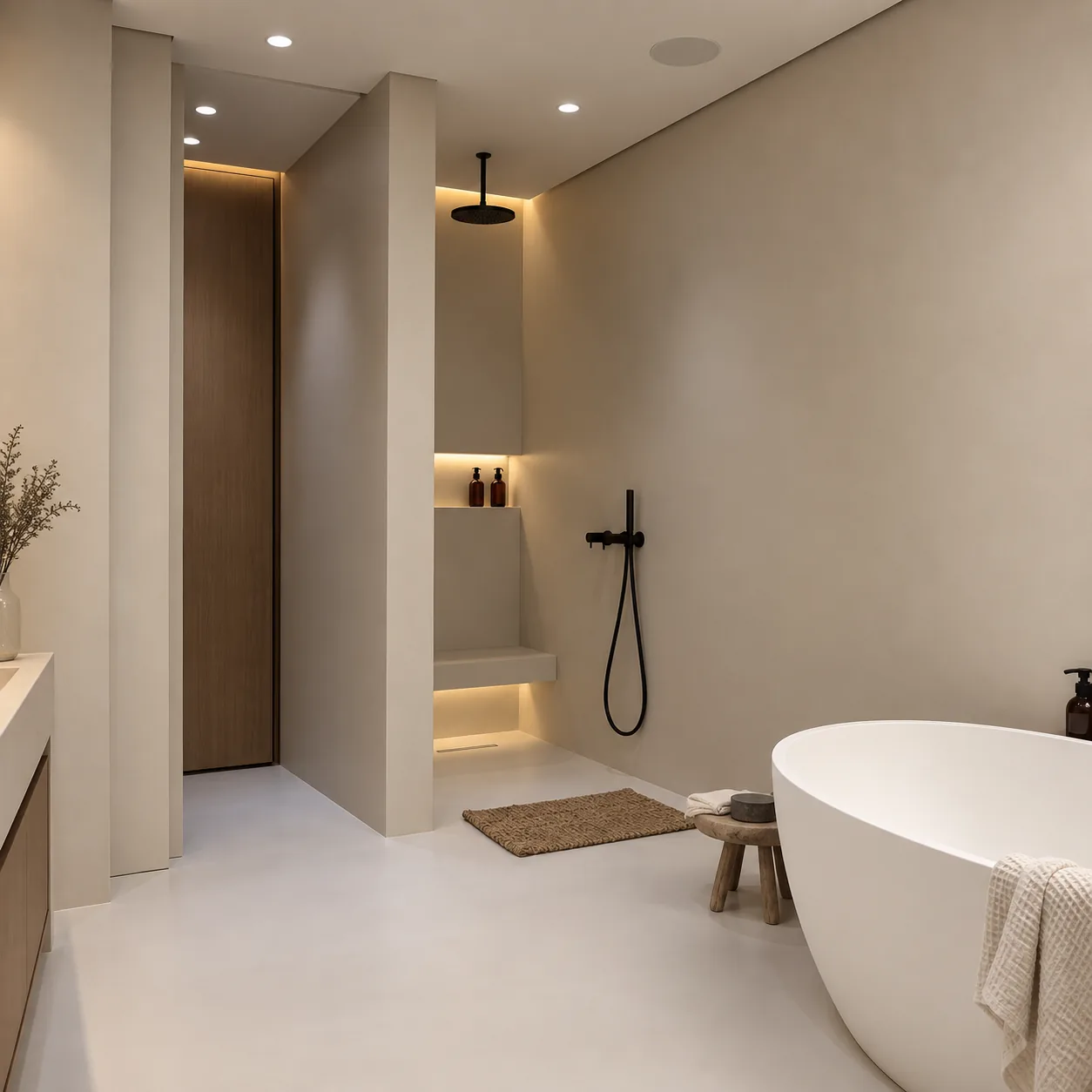
Microcement in Modern Interiors: Where It Works Best
Where Microcement works well in a modern home, where it does not, and what preparation it needs to last in Toronto bathrooms, kitchens, floors and stairs.